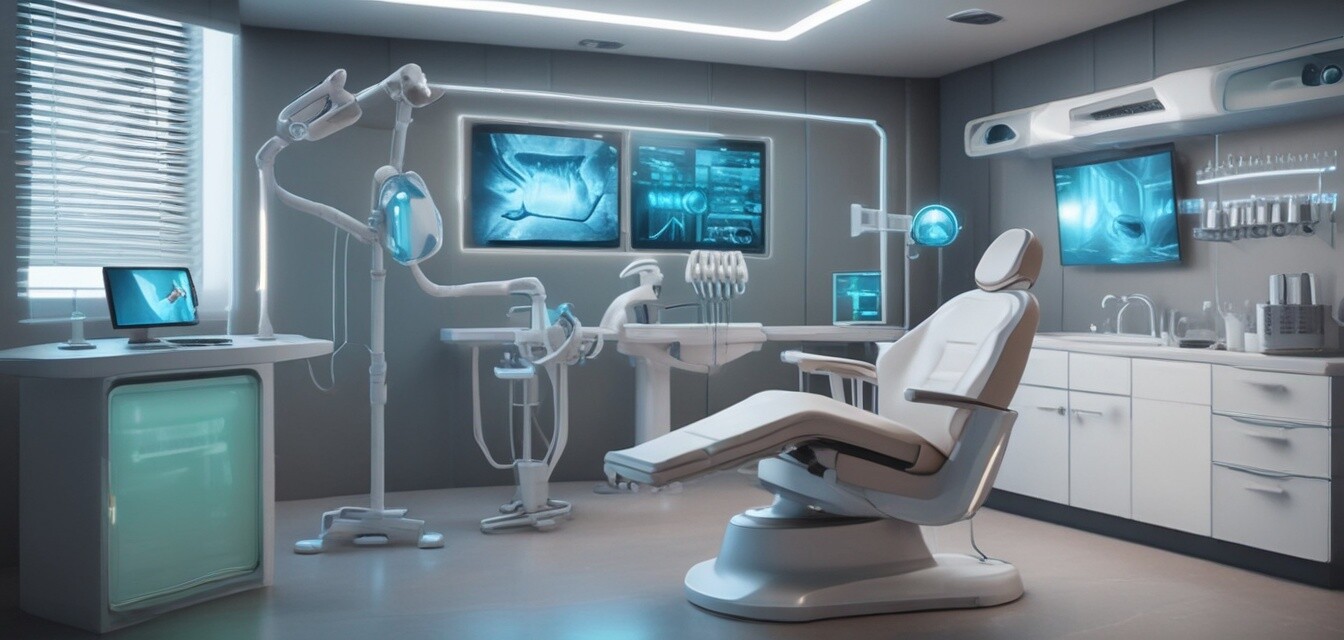
Virtual and Augmented Reality in Dentistry
Key Takeaways
- Virtual Reality (VR) and Augmented Reality (AR) enhance dental education and patient experience.
- These technologies provide immersive learning environments for dental students.
- AR aids in precise dental procedures and patient communication.
- Adoption of VR and AR tools can significantly improve dental practice efficiency.
The integration of Virtual Reality (VR) and Augmented Reality (AR) in dentistry is revolutionizing both education and practical applications in the field. These technologies provide immersive experiences that enhance both learning and patient care. In this article, we will explore how VR and AR are transforming dental practices and education.
Understanding Virtual Reality and Augmented Reality
Before diving into the applications of these technologies, let's clarify what they entail:
| Technology | Description |
|---|---|
| Virtual Reality (VR) | A simulated experience that can mimic or differ from the real world. Users are immersed in a virtual environment, often using headsets. |
| Augmented Reality (AR) | A technology that overlays digital information on the real world, allowing users to interact with both physical and digital elements simultaneously. |
Applications of VR and AR in Dental Education
1. Enhanced Learning Experiences
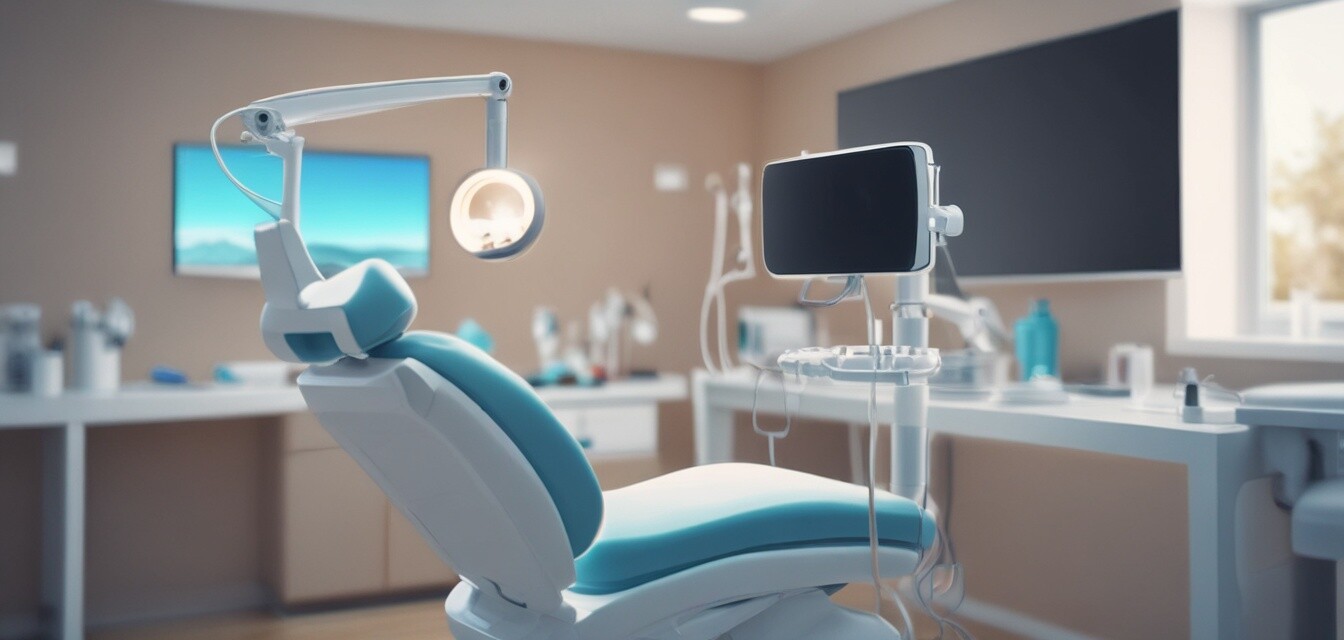
Dental students can practice procedures in a safe and controlled environment. By using VR simulators, they can develop their skills without the risks associated with real-life scenarios.
2. Real-Time Feedback
With the use of AR overlays, dental students can receive immediate feedback on their technique. This enables them to improve rapidly and avoids the common pitfalls of traditional learning methods.
3. Collaborative Learning
Students can collaborate within a virtual environment, practicing procedures alongside peers or instructors, enhancing their learning experience.
Benefits of AR in Dental Practice
1. Improved Patient Communication
AR technology helps dental practitioners illustrate complex procedures to patients by overlaying digital information onto real-world scenarios. This enhances patient understanding and trust.
2. Precision in Procedures
AR tools can provide dentists with critical information during procedures, such as tooth positioning or root canal pathways, increasing accuracy and outcomes.
| AR Benefits | Impact on Practice |
|---|---|
| Visualization of complex anatomy | Reduces risk of errors in treatment |
| Enhanced patient education | Increases patient satisfaction and compliance |
| Access to real-time data | Improves procedural efficiency and outcomes |
Challenges in Implementing VR and AR in Dentistry
Despite the numerous advantages, the adoption of VR and AR technologies in dentistry faces some challenges:
- The cost of implementing these technologies can be high.
- Training staff to use new technologies effectively requires time and resources.
- Integration with existing dental equipment and software can be complex.
The Future of VR and AR in Dental Practice
As technology continues to advance, the future of VR and AR in dentistry is promising. We can anticipate:
- More affordable and accessible VR and AR tools.
- Increased research and development leading to more targeted applications.
- Wider acceptance within dental institutions and practices.
Pros
- Enhances learning and skill development for students.
- Improves patient communication and satisfaction.
- Increases precision during dental procedures.
- Facilitates collaborative learning environments.
Cons
- High implementation costs.
- Requires staff training and adaptation.
- Complex integration with existing systems.
Conclusion
Virtual and Augmented Reality technologies are set to redefine dental education and practice by providing immersive and interactive experiences. As these technologies evolve, they offer the potential to enhance both learning for students and patient care. By embracing these technological advancements, dental professionals can look forward to a more efficient, informed, and engaging practice.
Tips for Practicing Dentists
- Stay updated on the latest VR and AR technologies.
- Consider investing in training for your dental team.
- Engage with dental education programs that utilize VR and AR.
For more information on the latest innovations in dental technology, check out our pages on Advanced Imaging Equipment, Biomaterials and Composites, and Digital Orthodontics. Explore how Laser Dentistry Tools and Smart Dental Devices can further enhance your practice.