Robotics in Oral Surgery
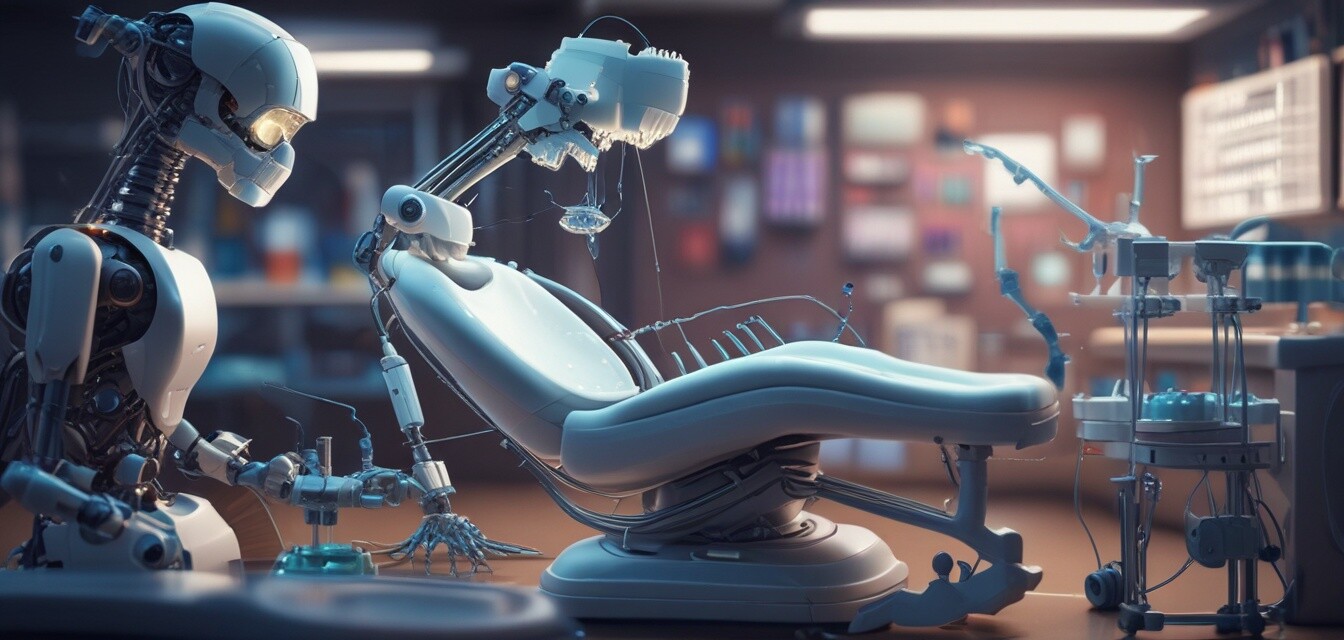
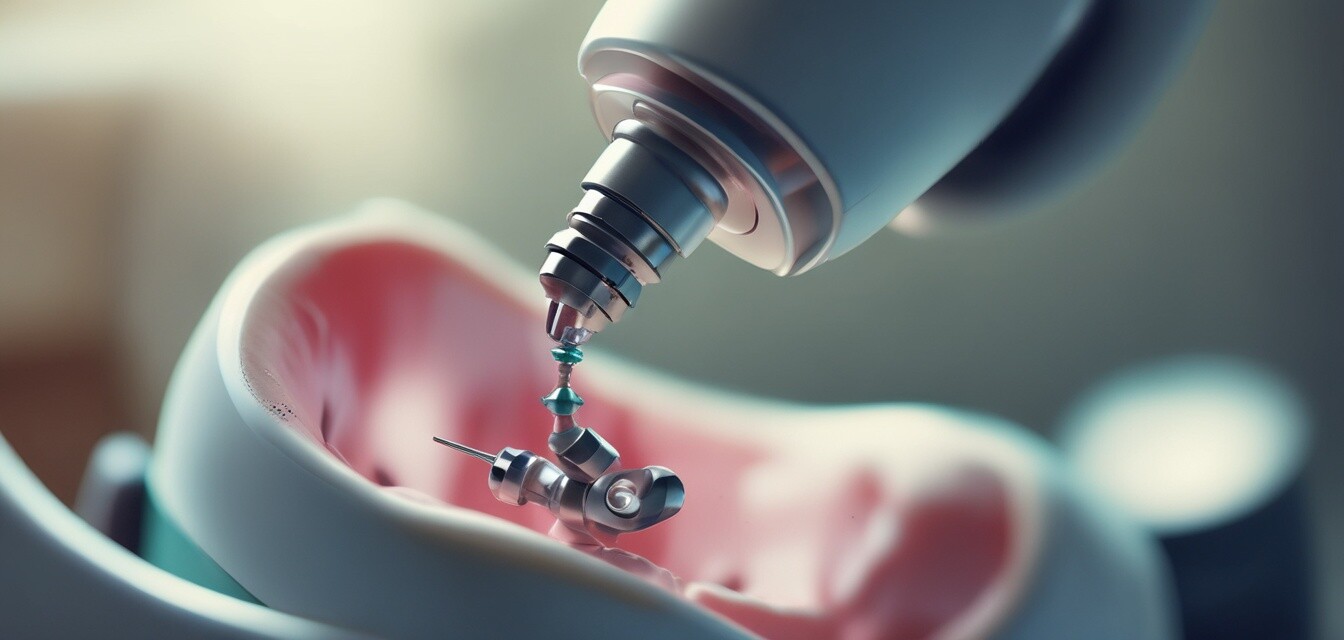
Oral surgery has come a long way, and the latest innovation is the integration of robotics. This cutting-edge technology is revolutionizing the field of oral surgery, enabling surgeons to perform complex procedures with enhanced precision and efficiency.
Key Takeaways
- Robotics in oral surgery enables surgeons to perform complex procedures with enhanced precision and efficiency.
- Robotics-assisted oral surgery reduces recovery time and minimizes scarring.
- The use of robotics in oral surgery improves the overall patient experience.
How Robotics are Enhancing Precision and Efficiency in Oral Surgery
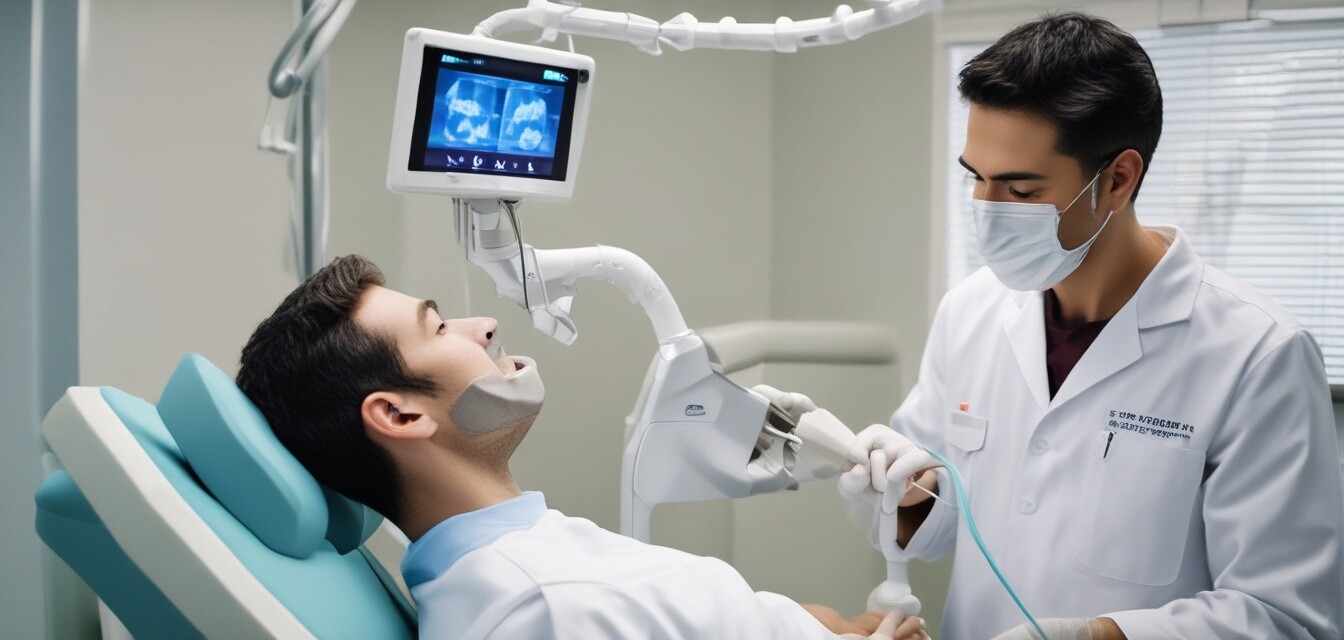
Oral surgery requires a high level of precision and accuracy to achieve the desired outcomes. The integration of robotics in oral surgery enables surgeons to perform complex procedures with enhanced precision and efficiency. Robotics-assisted oral surgery allows for real-time feedback, enabling surgeons to make adjustments as needed, resulting in more accurate results.
| Traditional Oral Surgery | Robotics-Assisted Oral Surgery |
|---|---|
| Higher risk of human error | Minimized risk of human error |
| Longer recovery time | Faster recovery time |
| More invasive procedures | Less invasive procedures |
The Benefits of Robotics-Assisted Oral Surgery
Robotics-assisted oral surgery offers numerous benefits for patients, including:
- Less invasive procedures, resulting in minimized scarring and faster recovery time.
- accuracy and reduced risk of human error.
- Improved> overall patient experience.
The use of robotics in oral surgery enables surgeons to perform complex procedures with enhanced precision and efficiency. Robotics-assisted oral surgery allows for real-time feedback, enabling surgeons to make adjustments as needed, resulting in more accurate results.
Applications of Robotics in Oral Surgery
Robotics are being used in a variety of oral surgery procedures, including:
Challenges and Limitations of Robotics in Oral Surgery
While robotics are revolutionizing the field of oral surgery, there are still challenges and limitations, including:
Advantages
- Enhanced precision and accuracy
- Minimized recovery time and scarring
- Improved overall patient experience
Limitations
- High upfront costs
- Limited availability of robotics-assisted oral surgery devices
- Need for further research and development
Beginners Section
If you're new to the field of oral surgery, it's essential to understand the basics of robotics-assisted oral surgery. Here are some key takeaways:
- Robotics-assisted oral surgery enables surgeons to perform complex procedures with enhanced precision and efficiency.
- The use of robotics in oral surgery reduces recovery time and minimizes scarring.
- Robotics-assisted oral surgery improves the overall patient experience.