Biocompatible Materials for Dentistry
Dentistry has come a long way in recent years, with advancements in technology and materials used in dental procedures. One of the most significant developments is the use of biocompatible materials that mimic the properties of natural teeth.
Key Takeaways:
- Biocompatible materials are used in dentistry to replace or repair damaged teeth.
- These materials are designed to mimic the properties of natural teeth, ensuring a natural look and feel.
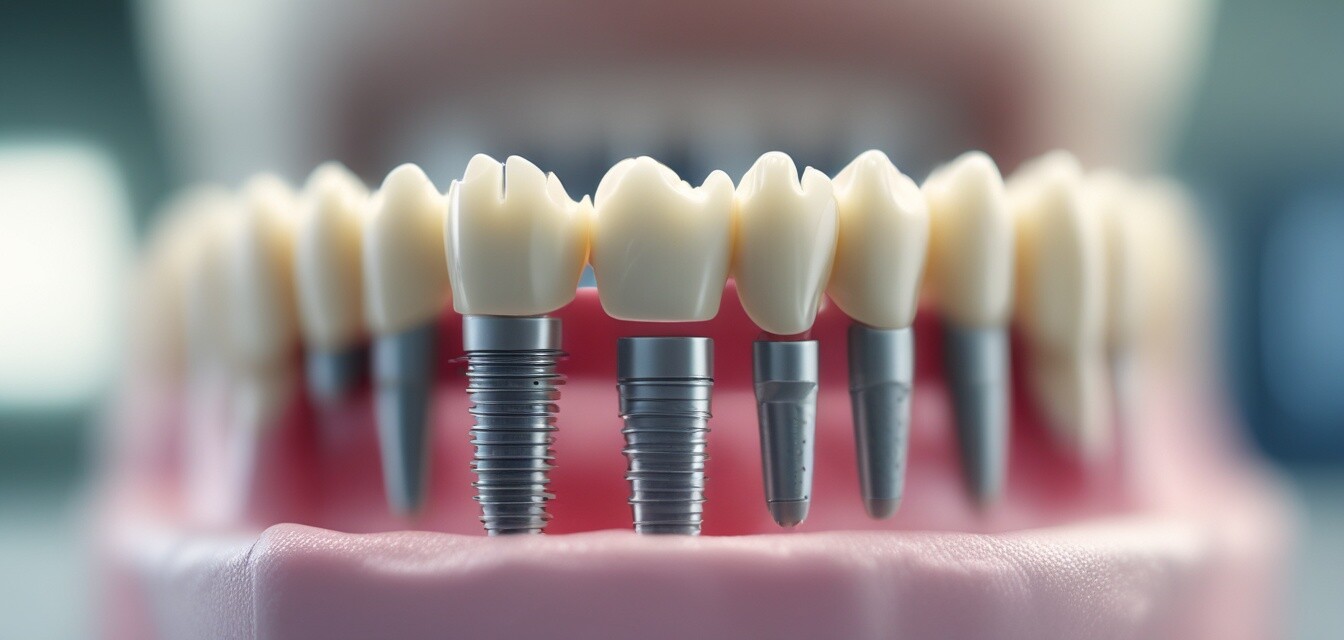
- Advanced materials such as zirconia and titanium are commonly used in dental implants and restorations.
What are Biocompatible Materials?
Biocompatible materials are substances that can be used in medical and dental procedures without causing any adverse reactions or harm to the patient. In dentistry, these materials are used to replace or repair teeth, ensuring a natural look and feel.
Properties of Biocompatible Materials
| Property | Description |
|---|---|
| Biocompatibility | The ability of the material to not cause any adverse reactions or harm to the patient. |
| Strength | The ability of the material to withstand forces without breaking or deforming. |
| Esthetics | The ability of the material to match the natural color and appearance of teeth. |
| Materials | Zirconia, titanium, and ceramics are commonly used biocompatible materials in dentistry. |
Types of Biocompatible Materials Used in Dentistry
Several types of biocompatible materials are used in dentistry, each with its own unique properties and uses.
Zirconia
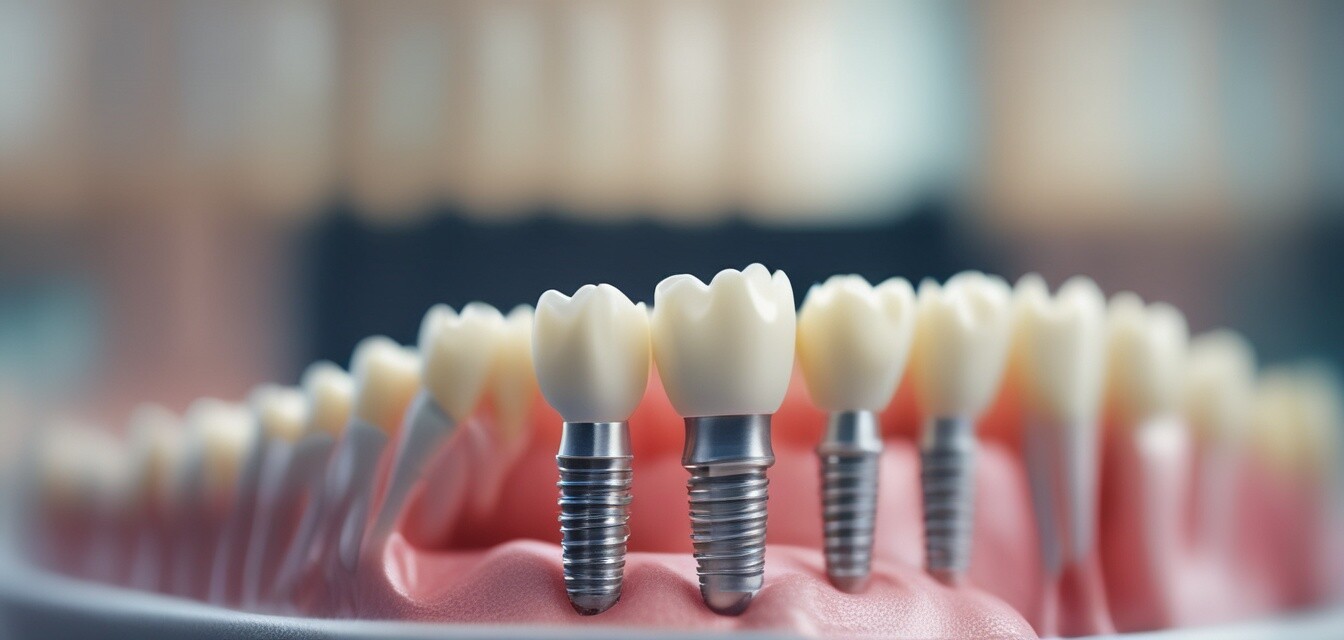
Zirconia is a popular biocompatible material used in dental implants and restorations. It is known for its high strength, durability, and esthetic appeal.
Titanium
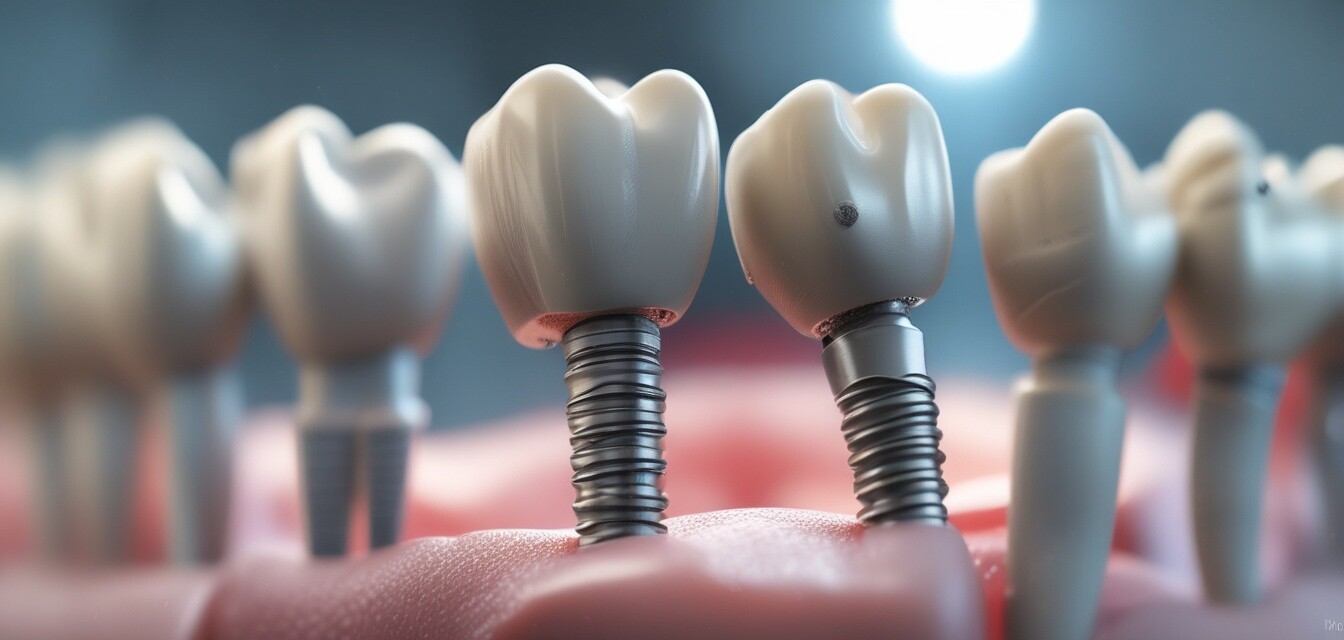
Titanium is another commonly used biocompatible material in dentistry. It is known for its high strength, low density, and biocompatibility.
Advantages of Biocompatible Materials in Dentistry
The use of biocompatible materials in dentistry has several advantages, including:
Pros
- High success rate in dental implants and restorations.
- Natural look and feel, ensuring patient satisfaction.
- Durable and long-lasting, reducing the need for frequent replacements.
Cons
- Higher cost compared to traditional materials.
- Requires specialized training and equipment for dental professionals.
Conclusion
The use of biocompatible materials has revolutionized the field of dentistry, providing patients with natural-looking and feeling teeth. With advancements in technology and materials, the future of dentistry looks promising.
For more information on dental implants and restorations, check out our Advanced Imaging Equipment and Biomaterials and Composites pages.