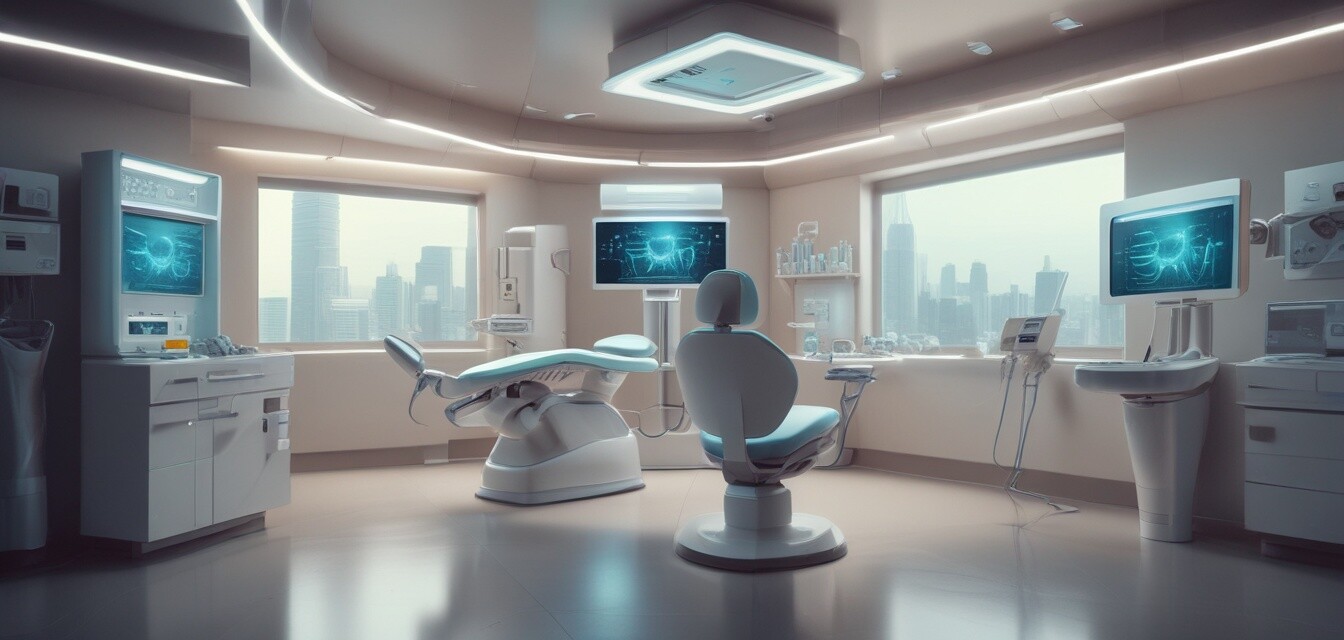
Tele-dentistry developments
- Tele-dentistry integrates technology to facilitate remote dental consultations.
- The advancements in telehealth are transforming how dental care is delivered.
- Access to dental care is expanding, especially in rural areas.
- Technology enhances patient education and engagement in oral health.
Tele-dentistry is revolutionizing the field of dental care, offering patients and providers an innovative way to connect remotely. With the rising demand for digital healthcare solutions, tele-dentistry has gained significant traction, making dental consultations more accessible and efficient. This article explores the latest developments in tele-dentistry, illustrating how these advancements impact patient care and the dental industry.
The rise of tele-dentistry
In recent years, the popularity of telehealth has surged, and tele-dentistry is a vital component of this trend. This digital approach allows dentists to assess, diagnose, and consult with patients outside of traditional office settings. As interested in oral health grows, so does the need for more accessible and flexible dental care options.
Key components of tele-dentistry
Several key components contribute to the success and functionality of tele-dentistry:
- Video consultations: Real-time interactions between dentists and patients.
- Remote monitoring: Tracking patients' oral health through digital tools.
- Patient education: Providing resources and guidance via digital platforms.
- Wearable devices: Devices that gather oral health data for analysis.
Benefits of tele-dentistry
- Improved access to care for underserved populations.
- Convenience for patients without needing to travel to dental offices.
- Time-saving for both patients and providers.
- Enhanced patient engagement through easy access to care information.
Challenges in tele-dentistry implementation
Despite its many benefits, tele-dentistry does face challenges that need to be addressed:
Pros
- Increased patient reach
- Improved convenience for follow-ups
- Potential for reduced overhead costs
- Ability to provide timely care for urgent situations
Cons
- Dependence on technology may exclude some patients
- Limited ability to perform hands-on examinations
- Regulatory and reimbursement complexities
- Potential data privacy concerns
Technological innovations driving tele-dentistry
The growth of tele-dentistry is fueled by innovative technologies that improve the patient experience, including:
| Technology | Description | Advantages |
|---|---|---|
| AI-powered diagnostics | Using artificial intelligence to analyze dental images. | Enhanced accuracy and speed of diagnoses. |
| Mobile applications | Apps that allow patients to schedule appointments and receive reminders. | Improved communication and patient adherence to scheduled care. |
| Teledentistry kits | At-home kits that allow patients to collect data. | Facilitates remote consultations without in-office visits. |
The role of advanced imaging in tele-dentistry
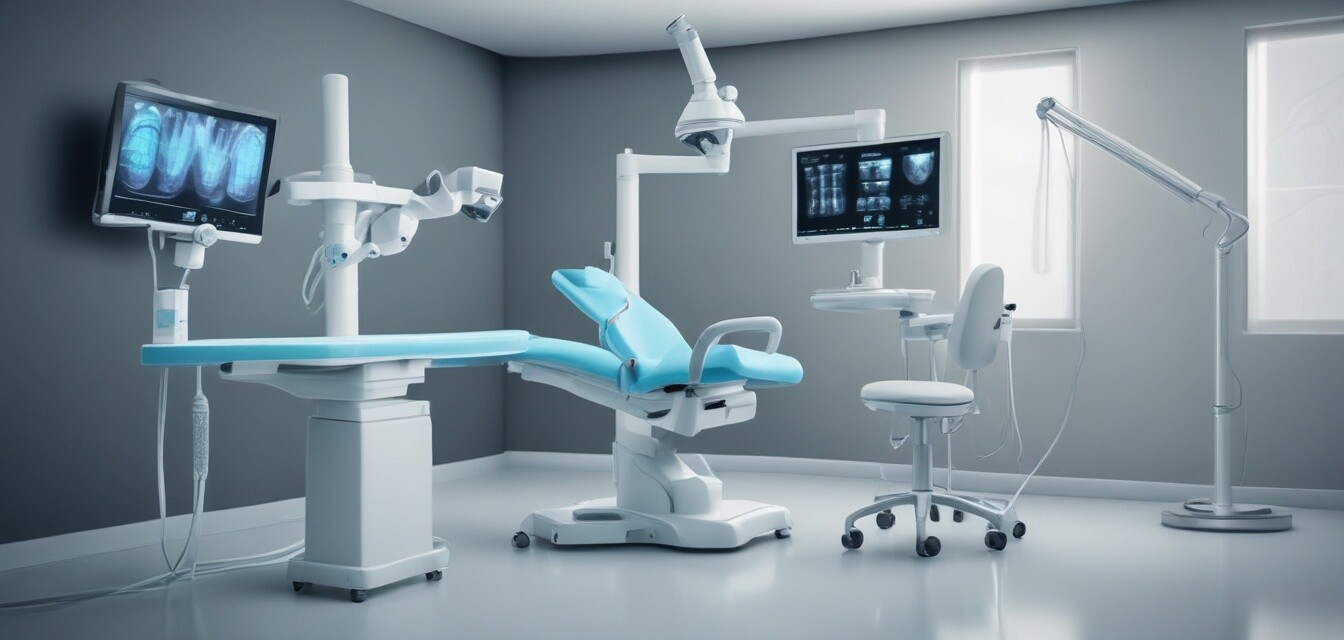
Advanced imaging technology plays a crucial role in tele-dentistry by enabling virtual consultations with high-quality visuals. Tools such as digital X-rays and intraoral cameras help dentists to accurately evaluate and diagnose conditions during remote consultations.
Future of tele-dentistry
As technology continues to evolve, the future of tele-dentistry holds great promise. Here are several anticipated trends:
- Integration of more personalized patient care strategies.
- Development of improved communication protocols between patients and providers.
- Greater emphasis on maintaining patient privacy and data security.
- Expansion into preventive care services through remote monitoring.
Regulatory considerations
As tele-dentistry becomes more prevalent, understanding its regulatory landscape is essential. Practitioners must stay informed of licensing, telehealth policies, and insurance coverage related to remote care. This ensures that dental practices remain compliant while providing the highest quality patient care.
Tips for dental practitioners adopting tele-dentistry
- Invest in user-friendly technology that enhances patient experience.
- Offer clear guidance for patients on how to utilize tele-dentistry services.
- Maintain ongoing education on regulations and best practices in telehealth.
- Gather patient feedback to continuously improve tele-dentistry services.
Conclusion
Tele-dentistry is reshaping the landscape of dental care, promoting greater access and convenience for patients while enhancing the overall experience. As technology advances and regulations evolve, tele-dentistry has the potential to become an integral part of dental practice, ensuring that patients receive high-quality care regardless of their location. Explore more about [advanced imaging equipment](/products/advanced-imaging-equipment) and [smart dental devices](/products/smart-dental-devices) that can enhance your tele-dentistry services.