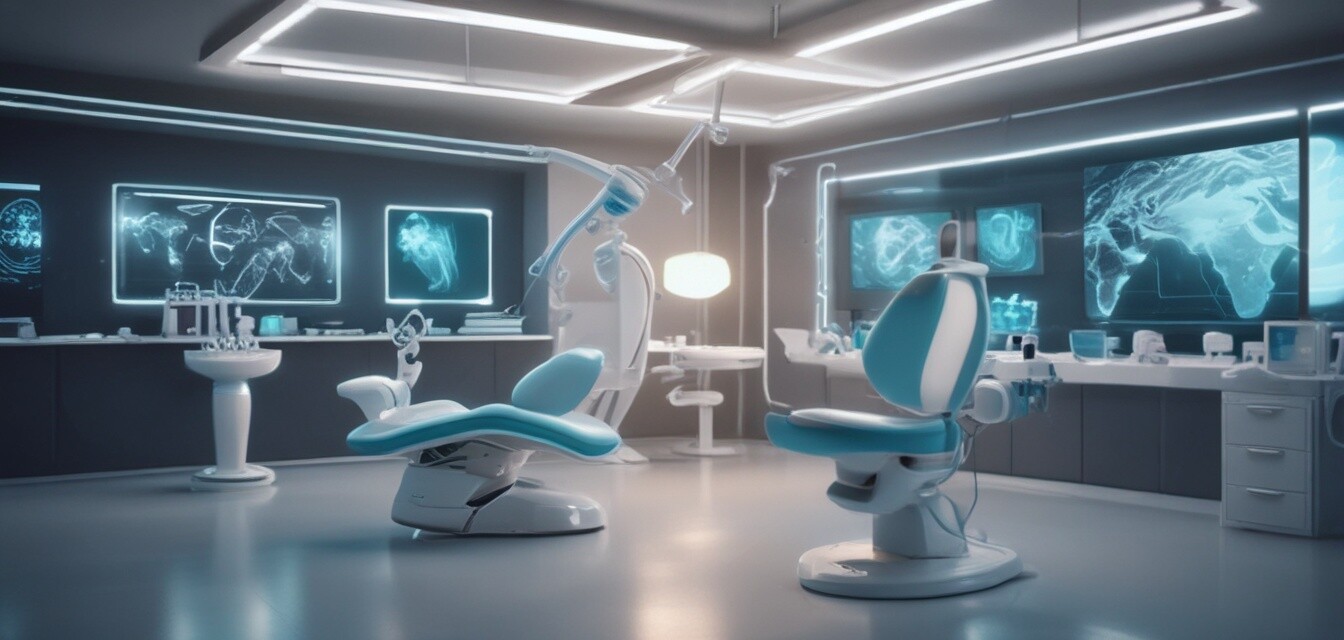
AI and Machine Learning in Oral Health
The integration of AI and machine learning into oral health is revolutionizing diagnostics and treatment planning. This article will explore how these technologies are enhancing dental practice, improving patient outcomes, and streamlining processes for dental professionals.
Key Takeaways
- AI and machine learning significantly improve the accuracy of diagnostics.
- These technologies help in personalizing treatment plans for patients.
- They can automate routine tasks, allowing dental professionals to focus on more complex cases.
- The use of advanced imaging technologies enhances treatment effectiveness.
- AI can assist in predicting patient outcomes, benefiting overall oral health management.
Understanding AI and Machine Learning in Dentistry
AI, or artificial intelligence, refers to machines designed to mimic human cognitive functions. Machine learning, a subset of AI, enables systems to learn from data, identify patterns, and make decisions with minimal human intervention. In dentistry, these technologies are making waves by enhancing various aspects of practice.
Diagnostic Improvements
One of the significant applications of AI in oral health is in diagnostics. With the help of machine learning algorithms, dental images can be analyzed more effectively. The following table illustrates the differences in traditional diagnostics compared to AI-powered diagnostics:
| Aspect | Traditional Diagnostics | AI-Powered Diagnostics |
|---|---|---|
| Speed | Time-consuming | Fast and efficient |
| Accuracy | Subject to human error | Higher accuracy rates |
| Data Analysis | Limited analysis | Comprehensive analysis |
| Consistency | Varies by practitioner | Uniform results |
AI systems can identify issues like cavities, gum disease, and other dental anomalies more accurately than the human eye. This improved accuracy can lead to earlier intervention, ultimately leading to better patient outcomes.

Treatment Planning Enhancements
AI is not just limited to diagnostics but also plays a crucial role in treatment planning. Machine learning algorithms can assist dental professionals by analyzing patient data to suggest tailored treatment options. For instance, they can identify the most effective treatment modalities based on similar cases.
Automation of Routine Tasks
Many routine tasks in dental practices can be automated using AI, saving time for dental professionals and improving efficiency. Some examples include:
- Appointment Scheduling: AI can manage patient appointments, reducing no-shows and optimizing staff schedules.
- Billing and Insurance Verification: Automated systems can handle billing processes and verify patient insurance coverage.
- Patient Follow-ups: AI can schedule and manage follow-up appointments and reminders.
Benefits of Automation in Dentistry
Here are some benefits of incorporating automation in dental practices:
| Benefit | Explanation |
|---|---|
| Increased efficiency | Streamlines office operations, allowing staff to focus on patient care. |
| Cost savings | Reduces labor costs associated with manual tasks. |
| Enhanced patient experience | Improves communication and service quality for patients. |
| Data management | Facilitates better data tracking and patient management. |
Tips for Implementing AI in a Dental Practice
- Start small: Introduce AI solutions gradually to manage learning curves effectively.
- Invest in training: Ensure all staff are trained to utilize new technology efficiently.
- Stay updated: Keep abreast of the latest innovations in dental AI technologies.
- Gather feedback: Regularly solicit feedback from staff and patients to improve systems.
Advanced Imaging Technologies
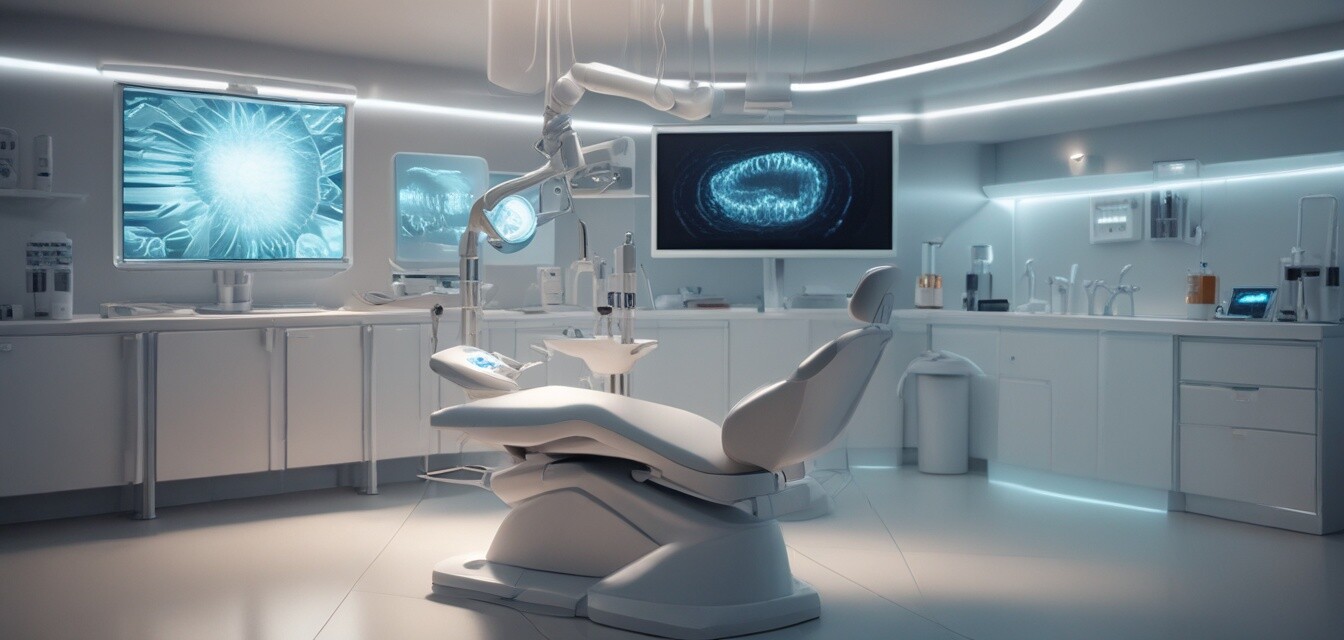
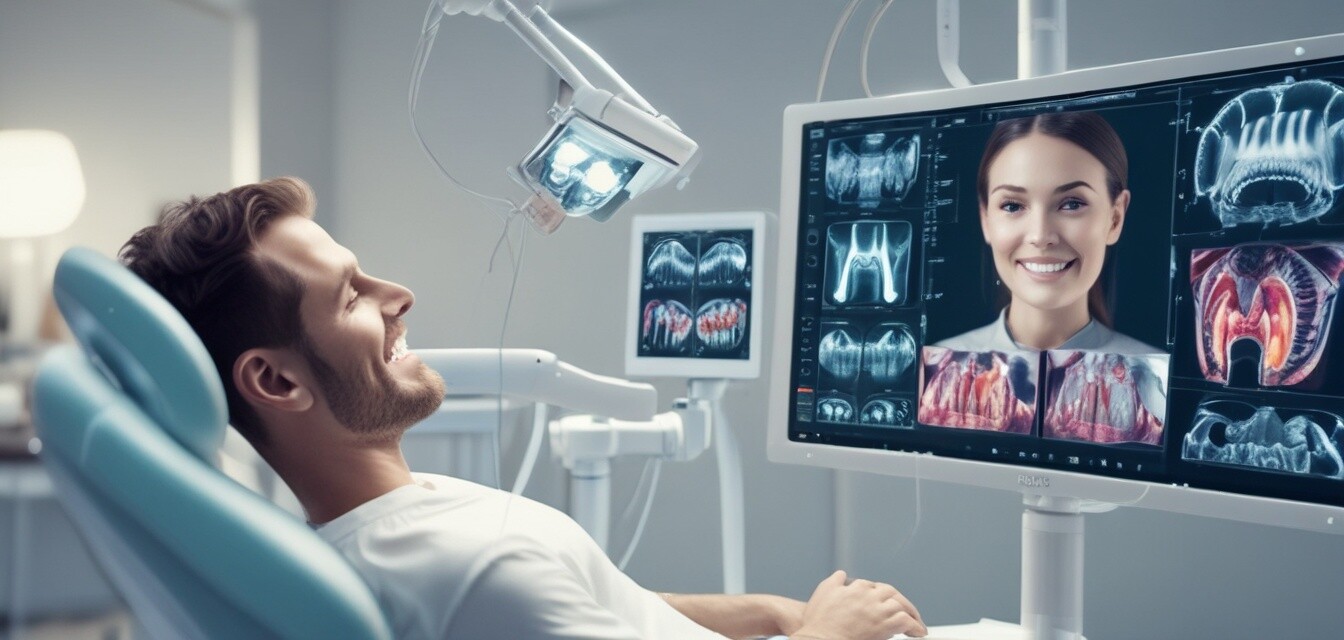
AI is also transforming imaging technologies in dentistry. Advanced imaging tools, such as cone-beam computed tomography (CBCT) and digital radiography, provide detailed images that AI can analyze for more accurate diagnostics and treatment planning. By integrating AI with these imaging technologies, dental professionals can:
- Obtain clearer images with lower radiation exposure.
- Use enhanced software for multilayered analysis.
- Achieve better visualization of complex dental structures.
Future Trends in AI and Machine Learning for Oral Health
The future of AI and machine learning in oral health looks promising. Here are some trends to watch:
- Predictive Analytics: Leveraging big data to predict patient oral health outcomes, enabling preventive care measures.
- AI in Teledentistry: Enhancing remote patient consultations using AI tools to analyze patient data directly.
- Integration with Wearable Technology: Using smart dental devices to monitor oral health continuously.
These trends will lead to more personalized, effective, and efficient dental care.
Why Dentists Should Embrace AI
Despite the initial investment in time and resources, embracing AI can lead to significant long-term benefits:
- Enhanced accuracy in diagnostics.
- More personalized patient experiences.
- Increased practice efficiency through automation.
- The ability to identify and adopt innovative technologies early.
Conclusion
AI and machine learning are set to redefine oral healthcare by enhancing diagnostics, treatment planning, and patient management. As technology continues to advance, dental professionals should consider integrating these solutions into their practices to boost efficiency and improve patient care.
Pros
- Improved diagnostic accuracy
- Efficient workflow automation
- Personalized treatment planning
- Cost-effectiveness in long-term practice management
Cons
- Initial investment costs
- Need for ongoing training for staff
- Potential data privacy concerns
- Reliance on technology may impede some traditional practices
For further reading on related topics, check out our articles about Advanced Imaging Equipment, Digital Orthodontics, and Smart Dental Devices.